A silly debate that never disappears from the political scene is whether "attack ads" should be allowed.
Aside from the free speech component of the matter that make attack ads constitutionally protected, the motives of people opposed to them is rather transparent. It's because the candidates they support are vulnerable to them. The previous two Liberal leaders were particularly harmed by attack ads in Canada's last two national elections.
Stephane Dion was the target of a very effective Conservative ad campaign leading up to the 2008 election that portrayed him as "not up to the job" of being a leader. Michael Ignatieff was similarly harmed in the 2011 election by being successfully characterized as an elitist who was "just visiting" Canada for the sake of personal ambition.
The raucous nature of political campaigns are really about pointing out not just the advantages of one side, but the deficits of the other. This relatively minor test of fire is an important element of the election process for a very basic and obvious reason. If a candidate who wants to lead a country is incapable of dealing with an attack ad from a fairly benign domestic political rival, how could they possibly function as a leader on the world stage, dealing with potentially hostile foreign interests?
In that sense, attack ads are the most basic test someone who wants to be put in a position of power and responsibility should be able to overcome. If they can't, they have no busness asking millions of Canadians to entrust them with that responsibility.

EYE ON A CRAZY PLANET
Showing posts with label Michael Ignatieff. Show all posts
Showing posts with label Michael Ignatieff. Show all posts
Thursday, March 22, 2012


Wednesday, September 14, 2011
Ignatieff and nine other luminaries avoid mentioning Islamism while reflecting on 9-11
Academic seminars can be fascinating. Sometimes for what one learns from scholars and experts, and sometimes as opportunities to observe the extent to which so many people who expect to influence public policy are how out-of-touch with reality.
Yesterday, a seminar conducted by the Munk School of Global Affairs at the University of Toronto provided an example of both phenomena. Called “9/ll” – Ten Reflections after the Passage of Ten Years: An Opportunity to Contemplate and Remember ten speakers presented their thoughts about the repercussions of the attack on the Twin Towers and the Pentagon a decade later. The speakers included former Liberal leader Michael Ignatieff and Jean Chretien's Minister of Foreign Affairs, Bill Graham, as well as eight others, mostly academics, including a familiar face on TVO, Janice Gross Stein and The Canadian Centre for Global Security Studies' Ron Diebert.
 What was most remarkable about the talks that the ten speakers gave over an hour and a half about how 9-11 has changed the priorities and concerns in the world is that there was a word that remained unspoken by every single one of them. Not one speaker said the word "Islam." Not once. Not even as a part of another term, such as Islamism.
None of them had the courage to talk about the elephant in the room; that while Muslims are overwhelmingly opposed to terrorism and want freedom, the inability within much of Islam and many Muslim societies to address violent, repressive ideologies and to promote reform is at the root of the conflict that is misleadingly referred to as "The War on Terror."
The result was an implicit suggestion (and sometimes more explicit than implicit) that fanatical Islam had nothing to do with 9-11 and that it was America that had somehow brought the attacks on itself.
Another thing that stood out was, with the exception of Ron Diebert, only the two politicians seemed to have any cohesive grasp of the challenges and dangers that the post 9-11 world presents. Janice Gross Stein was one the one person to put that phenomenon into perspective when she observed that she has a particular scholarly focus and she tends to slant all information to it. It appears that the other academics fell victim to just that approach, but without the self-awareness of Stein.
Many of the speakers talked about serious concerns of the last ten years, such as the erosion of civil liberties, but what they failed to note was that for the vast majority of us, these changes won't directly affect us and are possible because they will be unnoticed in what remain free societies. But in the cases where they do occur, such as some invasive aspects of the Harper government's Omnibus Crime Bill, which intends to make access to personal information available to law enforcement without a warrant, and its criminalization of linking to offensive websites, government needs to be held to account and most likely will in the form of court challenges.
Diebert had some interesting observations about how public security, which used to be exclusively a function of government, has been largely privatized since 9-11, and there are ominous consequences. He also discussed the insidious cooperation that some private companies that provide such private security in the west have with repressive regimes, such as Syria and China.
However it was Graham and Ignatieff who provided the most cogent insight of the evening. Graham noted that Canada's close relationship with the United States has benefited us in our ability to devote funds to our social programs since the US has guaranteed our security and we did not have to dedicate as many resources in that area as many other countries; many people in the room took the benefit for granted without appreciating how the US might expect something in return.
Ignatieff's observations were a reminder that while he was not an apt politician, he remains a keen and thoughtful scholar and intellectual. His reminder was simple, but one that is frequently forgotten by the supposed cognoscenti of the west. There is a lot of hatred towards us in places far away and we can't ignore it, because 9-11 should remain a constant lesson that if we forget, that hate will reach out and try to grab us by the throat.
The call to public service was the most important lesson that Ignatieff drew from 9-11. As he said, the only people going up the stairs of the World Trade Center's Twin Towers were wearing uniforms, and the heroism that those public servants displayed that day was a demonstration of the nobility of the men and women whose job it is to protect and serve the citizens of their country.
UPDATE -You can view the seminar:
Yesterday, a seminar conducted by the Munk School of Global Affairs at the University of Toronto provided an example of both phenomena. Called “9/ll” – Ten Reflections after the Passage of Ten Years: An Opportunity to Contemplate and Remember ten speakers presented their thoughts about the repercussions of the attack on the Twin Towers and the Pentagon a decade later. The speakers included former Liberal leader Michael Ignatieff and Jean Chretien's Minister of Foreign Affairs, Bill Graham, as well as eight others, mostly academics, including a familiar face on TVO, Janice Gross Stein and The Canadian Centre for Global Security Studies' Ron Diebert.
None of them had the courage to talk about the elephant in the room; that while Muslims are overwhelmingly opposed to terrorism and want freedom, the inability within much of Islam and many Muslim societies to address violent, repressive ideologies and to promote reform is at the root of the conflict that is misleadingly referred to as "The War on Terror."
The result was an implicit suggestion (and sometimes more explicit than implicit) that fanatical Islam had nothing to do with 9-11 and that it was America that had somehow brought the attacks on itself.
Another thing that stood out was, with the exception of Ron Diebert, only the two politicians seemed to have any cohesive grasp of the challenges and dangers that the post 9-11 world presents. Janice Gross Stein was one the one person to put that phenomenon into perspective when she observed that she has a particular scholarly focus and she tends to slant all information to it. It appears that the other academics fell victim to just that approach, but without the self-awareness of Stein.
Many of the speakers talked about serious concerns of the last ten years, such as the erosion of civil liberties, but what they failed to note was that for the vast majority of us, these changes won't directly affect us and are possible because they will be unnoticed in what remain free societies. But in the cases where they do occur, such as some invasive aspects of the Harper government's Omnibus Crime Bill, which intends to make access to personal information available to law enforcement without a warrant, and its criminalization of linking to offensive websites, government needs to be held to account and most likely will in the form of court challenges.
Diebert had some interesting observations about how public security, which used to be exclusively a function of government, has been largely privatized since 9-11, and there are ominous consequences. He also discussed the insidious cooperation that some private companies that provide such private security in the west have with repressive regimes, such as Syria and China.
However it was Graham and Ignatieff who provided the most cogent insight of the evening. Graham noted that Canada's close relationship with the United States has benefited us in our ability to devote funds to our social programs since the US has guaranteed our security and we did not have to dedicate as many resources in that area as many other countries; many people in the room took the benefit for granted without appreciating how the US might expect something in return.
Ignatieff's observations were a reminder that while he was not an apt politician, he remains a keen and thoughtful scholar and intellectual. His reminder was simple, but one that is frequently forgotten by the supposed cognoscenti of the west. There is a lot of hatred towards us in places far away and we can't ignore it, because 9-11 should remain a constant lesson that if we forget, that hate will reach out and try to grab us by the throat.
The call to public service was the most important lesson that Ignatieff drew from 9-11. As he said, the only people going up the stairs of the World Trade Center's Twin Towers were wearing uniforms, and the heroism that those public servants displayed that day was a demonstration of the nobility of the men and women whose job it is to protect and serve the citizens of their country.
UPDATE -You can view the seminar:
Tuesday, May 3, 2011
Ignatieff's Liberals were the New Coke of Canadian politics
The Liberal Party of Canada hadn't processed a lesson the Coca-Cola corporation learned the hard way back in 1985, with the brief reshaping of the brand to New Coke, which bore more similarities to a rival (Pepsi) than its successful historical product. The result was an overwhelming public rejection, and the lesson was: it's generally not a good idea to mess with a winning formula.
The Liberals were the most successful political party in the free world during the 20th century for a simple reason - they played the centre.
It was never a secret that yesterday's Canadian election that resulted in a Conservative majority was a power-grab by Michael Ignatieff's Liberals, who hoped to form a government with the support of the New Democratic Party and the Bloc Quebecois. To do that, former (and soon-to-be again) professor Michael Ignatieff, who was generally viewed as being a right leaning Liberal, shifted his party so far to the left that there was little daylight between his platform and that of Jack Layton's socialist NDP.
Stephen Harper's success came from being not a party of the right, but that of the centre-right. He put a lid on the far-right in his party who want to ban abortion, oppose Gay rights and impose a social Conservative agenda. By being a fiscally Conservative party with centrist social policies, Harper was able to capture the middle which has always been the key to electoral success in Canada.
And he captured it from the Liberals, whose former supporters were placated by Harper's responsible leadership as Prime Minister since 2006, and fearful of the radical left (a.k.a. "progressive") shift Ignatieff was steering for the Liberals.
The Liberals lost in 43 ridings where their members were incumbents. They lost 27 of them, about 63 per cent, to the Conservatives. They didn't take a single riding away from the Tories. The only new riding they took was from an NDP incumbent. The NDP's success in raising their seat count to 102 and becoming Official Opposition for the first time shows that when offered the choice between "the real thing" and a copy of a competitor, like Coke drinkers, Canadians prefer the genuine article.
Former Ontario NDP leader Bob Rae, the most prominent Liberal to survive last night's election, is now hinting at an upcoming 'merger of the left'. That would be political suicide for the Liberals and eliminate their chance of a resurgence in the future. Rae evidently missed the message that the Liberals' loss wasn't because of a splitting of the left vote. The Liberals' catastrophic defeat was a rejection of their shift to the left.
Canadians have traditionally voted for a party of the centre. When the Liberals decided to cease to be that, Canada chose the centrist alternative, which Harper was more than willing to provide. Harper made that explicit in the final days of the election campaign in his appeal to Liberal voters concerned about the possibility of an NDP-led government.
There is always going to be room for a centrist party in Canada to rise. If the Liberals want to commit to being a party of the left, it will help the Conservatives in the short term, and create an opportunity for a new centrist party to emerge to fill the vacuum in the centre that the Liberals have abandoned.
But the Liberals do have an alternative. Layton's NDP now has more than half it's base in Quebec, the province that for most of Canada's history was the cornerstone of Liberal support and success. The NDP is a party of radical socialists, 9-11 conspiracy theorists, and buffoons. They have avoided serious scrutiny for a long time because, as the perennial 3rd or 4th party no one took them too seriously. All that will change with Layton's occupancy of Stornoway. Now the NDP will be subject to intense scrutiny and they will almost certainly collapse under the weight of their own incompetence.
The NDP has done the country a favor by demolishing the Bloc Quebecois, but their ineptitude will eventually lead Quebec to reject them. The next election will be the opportunity for the Liberals to retake a position of prominence in their former base. By rebuilding a centrist party that can appeal to voters in Quebec and outside that province, the Liberals can rebuild itself into a party that can represent Canada from coat to coast.
But the Liberals have to understand what the opportunity is and not squander it. Because if they do, others will emerge to take their place.
The Liberals were the most successful political party in the free world during the 20th century for a simple reason - they played the centre.
It was never a secret that yesterday's Canadian election that resulted in a Conservative majority was a power-grab by Michael Ignatieff's Liberals, who hoped to form a government with the support of the New Democratic Party and the Bloc Quebecois. To do that, former (and soon-to-be again) professor Michael Ignatieff, who was generally viewed as being a right leaning Liberal, shifted his party so far to the left that there was little daylight between his platform and that of Jack Layton's socialist NDP.
Stephen Harper's success came from being not a party of the right, but that of the centre-right. He put a lid on the far-right in his party who want to ban abortion, oppose Gay rights and impose a social Conservative agenda. By being a fiscally Conservative party with centrist social policies, Harper was able to capture the middle which has always been the key to electoral success in Canada.
And he captured it from the Liberals, whose former supporters were placated by Harper's responsible leadership as Prime Minister since 2006, and fearful of the radical left (a.k.a. "progressive") shift Ignatieff was steering for the Liberals.
The Liberals lost in 43 ridings where their members were incumbents. They lost 27 of them, about 63 per cent, to the Conservatives. They didn't take a single riding away from the Tories. The only new riding they took was from an NDP incumbent. The NDP's success in raising their seat count to 102 and becoming Official Opposition for the first time shows that when offered the choice between "the real thing" and a copy of a competitor, like Coke drinkers, Canadians prefer the genuine article.
Former Ontario NDP leader Bob Rae, the most prominent Liberal to survive last night's election, is now hinting at an upcoming 'merger of the left'. That would be political suicide for the Liberals and eliminate their chance of a resurgence in the future. Rae evidently missed the message that the Liberals' loss wasn't because of a splitting of the left vote. The Liberals' catastrophic defeat was a rejection of their shift to the left.
Canadians have traditionally voted for a party of the centre. When the Liberals decided to cease to be that, Canada chose the centrist alternative, which Harper was more than willing to provide. Harper made that explicit in the final days of the election campaign in his appeal to Liberal voters concerned about the possibility of an NDP-led government.
There is always going to be room for a centrist party in Canada to rise. If the Liberals want to commit to being a party of the left, it will help the Conservatives in the short term, and create an opportunity for a new centrist party to emerge to fill the vacuum in the centre that the Liberals have abandoned.
But the Liberals do have an alternative. Layton's NDP now has more than half it's base in Quebec, the province that for most of Canada's history was the cornerstone of Liberal support and success. The NDP is a party of radical socialists, 9-11 conspiracy theorists, and buffoons. They have avoided serious scrutiny for a long time because, as the perennial 3rd or 4th party no one took them too seriously. All that will change with Layton's occupancy of Stornoway. Now the NDP will be subject to intense scrutiny and they will almost certainly collapse under the weight of their own incompetence.
The NDP has done the country a favor by demolishing the Bloc Quebecois, but their ineptitude will eventually lead Quebec to reject them. The next election will be the opportunity for the Liberals to retake a position of prominence in their former base. By rebuilding a centrist party that can appeal to voters in Quebec and outside that province, the Liberals can rebuild itself into a party that can represent Canada from coat to coast.
But the Liberals have to understand what the opportunity is and not squander it. Because if they do, others will emerge to take their place.
Monday, May 2, 2011
CONSERVATIVE MAJORITY!
In a historic shift, the socialist New Democratic Party's "Community Clinic" Jack Layton is able to become Official Opposition leader by handing Stephen Harper a majority government.
I was not terrible on my election prediction. Went out on a limb to say the Liberals would narrowly hold on to Official Opposition status, and tanked on that (thanks a lot, Gilles Duceppe!) BUT I was right on calling the majority for the Tories.
Now for all my Conservative friends, as happy as I am about the majority win and as much as I advocated for it, it's not good for the country to have a Liberal Party as weak as it currently is; particularly with the NDP as the # 2 party in Parliament.
Hopefully, Liberals will learn their lesson that the stupid, pandering shift to the left is not want Canadians want, and they will return to becoming a sound, centrist party. The Liberals have taken a hit, but they are too well-established and the country needs a centrist party too much for them to be down forever.
In a move I'm sure to regret, I may have to become re-involved in Liberal politics. Pray for me.
I was not terrible on my election prediction. Went out on a limb to say the Liberals would narrowly hold on to Official Opposition status, and tanked on that (thanks a lot, Gilles Duceppe!) BUT I was right on calling the majority for the Tories.
Now for all my Conservative friends, as happy as I am about the majority win and as much as I advocated for it, it's not good for the country to have a Liberal Party as weak as it currently is; particularly with the NDP as the # 2 party in Parliament.
Hopefully, Liberals will learn their lesson that the stupid, pandering shift to the left is not want Canadians want, and they will return to becoming a sound, centrist party. The Liberals have taken a hit, but they are too well-established and the country needs a centrist party too much for them to be down forever.
In a move I'm sure to regret, I may have to become re-involved in Liberal politics. Pray for me.
The Eye on a Crazy Planet Canadian Election Prediction
I've been challenged by a friend to go on the record, so, always up for a challenge, I will.
And I won't play it safe, I'm going to go out on a limb and present what I think are the 3 most likely outcomes of the election set to being in a few hours.
Despite the NDP polling better than the Liberals, our electoral system has us voting for local candidates instead of direct Executive elections as in the US. Local Liberal candidates are generally much stronger than the many wankers in the NDP. Dipper support is softer than an NDP leader after a happy ending. That's my # 1 scenario.
There it is. Get your crow ready in case I have to eat it in a pie on May 3.
ADDENDUM: I think it's 50/50 whether Ignatieff loses his seat in Etobicoke-Lakeshore to Conservative Bernard Trottier. I think it's 99.9% likely that Iggy won't be leading the Liberals by this time next year.
And I won't play it safe, I'm going to go out on a limb and present what I think are the 3 most likely outcomes of the election set to being in a few hours.
- I think the most probable result is that we will have a slim Conservative majority, with the Liberals, also by a slim margin, holding on to their Official Opposition status.
Despite the NDP polling better than the Liberals, our electoral system has us voting for local candidates instead of direct Executive elections as in the US. Local Liberal candidates are generally much stronger than the many wankers in the NDP. Dipper support is softer than an NDP leader after a happy ending. That's my # 1 scenario.
- The next possibility is the Conservatives win the most seats but not enough for a majority. In that case, it's probable that the NDP will be the Official Opposition. This is a tough call, but my guess is that in that event, it becomes an NDP-led minority. It won't last long and Jack Layton will become the socialist Joe Clark. His government will last months at the most and he'll go down to defeat to a Conservative majority within a year.
- And the other possibility I'd anticipate is that if the Conservatives get a minority which is only one or two seats short of a majority, a deal will be done with some Blue Whigs to cross the floor, and we'll see a negotiated Tory majority. It wouldn't surprise me if the Tories have sounded out a few right-leaning Liberals for that already.
There it is. Get your crow ready in case I have to eat it in a pie on May 3.
ADDENDUM: I think it's 50/50 whether Ignatieff loses his seat in Etobicoke-Lakeshore to Conservative Bernard Trottier. I think it's 99.9% likely that Iggy won't be leading the Liberals by this time next year.
Sunday, May 1, 2011
Tuesday, April 26, 2011
Canada's Political Doomsday Scenario
There is one reason and one reason only that Canada is currently going through an election campaign; power lust by The Liberal Party. It was obvious from the outset that the Liberals had absolutely no chance of winning as many seats as the leading Conservatives. So what was their motive?
As the campaign has progressed and Liberal leader Michael Ignatieff has remained incapable of maintaining the deception, it has become clear that the Liberals planned to form a government with the support of the Bloc Quebecois and the NDP. After a disastrous, equivocating performance on Day One of the campaign, Ignatieff was clearly playing word games by denying plans for a "coalition." While he may not have planned to award Cabinet positions to the NDP and Bloc, he evidently planned a deal and political deals always come at a price. The price would be paid by Canadian taxpayers, but what did that matter to a Liberal party thirsting for a return to power in the drought years since they last won an election under Jean Chretien?
The Liberal plan has backfired catastrophically. Liberal strategists strikingly underestimated Mr. Ignatieff's profound ineptitude as a political campaigner. His efforts at populism are comically awkward and his personal appeal is minimal. In fact, Mr. Ignatieff's campaign is so deficient that the unthinkable is on the verge of happening - the Liberals may not even be able to hold on to their position as Official Opposition, which if poll trends bear out, would fall to the NDP.
It's probable that Canadian voters will do a reality check and not cast their ballot for one of Jack Layton's candidates on May 2 in anything approaching the numbers that current polls suggest. But what would happen if Jack Layton's NDP did become the party with the second-most seats in Parliament?
It could mean Jack Layton as Prime Minister of Canada. The Liberals might well support a coalition with Layton at the head, anticipating it would implode under the NDP's incompetence and that they would be able to exploit that in another election soon to follow. The Liberals would likely envision better success from that model than they had with the Harper minority government, which stymied them at every turn.
An NDP-led minority government would likely collapse quickly under the weight of its own incompetence, giving the Liberals another crack at power under whichever leader they choose to replace Ignatieff, which they will invariably do soon after their upcoming election debacle. So a minority government means that Canadians will have yet another election within the next two years, if not much sooner.
An NDP minority government would also mean that the Deputy Leader of the governing party is someone who had put forward 9-11 conspiracy theories in Parliament. Libby Davies accused Canada's most important trading and economic partner, upon who our economy is largely dependent, of being complicit in the murder of thousands of its own citizens on September 11, 2001.
What that would do to Canada's international credibility and its reputation abroad can only be speculated upon. We would certainly have new friends in Tehran to make up for all the lost support in the US Congress, but don't look at that to help our economy much.
The reality is that the NDP caucus is made up largely of boobs. In fact, their legendary incompetence was solidified by The Clampetts, Bob Rae's Ontario cabinet during the NDP's only term as the governing party in Ontario. Bob Rae is an able politician, but the NDP ranks are so deficient, he couldn't even fill a cabinet table with capable people. It was that experience which largely drove Rae to the Liberal Party.
Jack Layton's idea on how to solve problems is to raise taxes and increase government spending. Every leftist special interest group will think they won the lottery. Anyone familiar with the way government spends money can tell you that the result of that will be a worsened economy with few positive results, unless you happen to be an employee of a left-wing NGO.
The one group of people who stand to benefit most if there's a strong NDP showing on May 2 and the Conservatives don't get a majority are financial speculators. The Canadian dollar is at a 20 year high reflecting international confidence in the Conservative government's handling of our economy. Currency speculators stand to make a fortune if they short the Canadian dollar, the value of which would tumble along with that interational confidence if Jack Layton were to be the person who leads the next government.
Ignatieff conveys desperation more than inspiration:
The Blazing Cat Fur parody:
As the campaign has progressed and Liberal leader Michael Ignatieff has remained incapable of maintaining the deception, it has become clear that the Liberals planned to form a government with the support of the Bloc Quebecois and the NDP. After a disastrous, equivocating performance on Day One of the campaign, Ignatieff was clearly playing word games by denying plans for a "coalition." While he may not have planned to award Cabinet positions to the NDP and Bloc, he evidently planned a deal and political deals always come at a price. The price would be paid by Canadian taxpayers, but what did that matter to a Liberal party thirsting for a return to power in the drought years since they last won an election under Jean Chretien?
The Liberal plan has backfired catastrophically. Liberal strategists strikingly underestimated Mr. Ignatieff's profound ineptitude as a political campaigner. His efforts at populism are comically awkward and his personal appeal is minimal. In fact, Mr. Ignatieff's campaign is so deficient that the unthinkable is on the verge of happening - the Liberals may not even be able to hold on to their position as Official Opposition, which if poll trends bear out, would fall to the NDP.
It's probable that Canadian voters will do a reality check and not cast their ballot for one of Jack Layton's candidates on May 2 in anything approaching the numbers that current polls suggest. But what would happen if Jack Layton's NDP did become the party with the second-most seats in Parliament?
It could mean Jack Layton as Prime Minister of Canada. The Liberals might well support a coalition with Layton at the head, anticipating it would implode under the NDP's incompetence and that they would be able to exploit that in another election soon to follow. The Liberals would likely envision better success from that model than they had with the Harper minority government, which stymied them at every turn.
An NDP-led minority government would likely collapse quickly under the weight of its own incompetence, giving the Liberals another crack at power under whichever leader they choose to replace Ignatieff, which they will invariably do soon after their upcoming election debacle. So a minority government means that Canadians will have yet another election within the next two years, if not much sooner.
An NDP minority government would also mean that the Deputy Leader of the governing party is someone who had put forward 9-11 conspiracy theories in Parliament. Libby Davies accused Canada's most important trading and economic partner, upon who our economy is largely dependent, of being complicit in the murder of thousands of its own citizens on September 11, 2001.
What that would do to Canada's international credibility and its reputation abroad can only be speculated upon. We would certainly have new friends in Tehran to make up for all the lost support in the US Congress, but don't look at that to help our economy much.
The reality is that the NDP caucus is made up largely of boobs. In fact, their legendary incompetence was solidified by The Clampetts, Bob Rae's Ontario cabinet during the NDP's only term as the governing party in Ontario. Bob Rae is an able politician, but the NDP ranks are so deficient, he couldn't even fill a cabinet table with capable people. It was that experience which largely drove Rae to the Liberal Party.
Jack Layton's idea on how to solve problems is to raise taxes and increase government spending. Every leftist special interest group will think they won the lottery. Anyone familiar with the way government spends money can tell you that the result of that will be a worsened economy with few positive results, unless you happen to be an employee of a left-wing NGO.
The one group of people who stand to benefit most if there's a strong NDP showing on May 2 and the Conservatives don't get a majority are financial speculators. The Canadian dollar is at a 20 year high reflecting international confidence in the Conservative government's handling of our economy. Currency speculators stand to make a fortune if they short the Canadian dollar, the value of which would tumble along with that interational confidence if Jack Layton were to be the person who leads the next government.
Ignatieff conveys desperation more than inspiration:
The Blazing Cat Fur parody:
Tuesday, April 19, 2011
Iggy says he will form coalition but just isn't going to call it a "coalition"
The Globe and Mail reports that Michael Ignatieff, after repeatedly promising that he would not form a coalition if the Conservatives don't win a majority government, has changed his mind.
The only difference is he isn't going to formally call it a coalition.
No surprise there.
The only difference is he isn't going to formally call it a coalition.
No surprise there.
Wednesday, March 30, 2011
Why Ignatieff's "no coalition" pledge is worthless
Michael Ignatieff followed-up his embarrassing avoidance of the question of whether he'd form a coalition with Canada's other political parties a day later with an unequivocal denial that he would do so.
A recent poll says only 17% of Canadians believe him. Which proves that 17% of Canadians are gullible.
If Steven Harper fails to achieve a majority on May 2, then it's a certainty that the Liberals will form a coalition with the other parties, and there are two very clear reasons why that will happen.
The first requires only a basic familiarity with the Liberal Party of Canada.
The Liberals are Canadian democracy's answer to the ancient Carthaginians, who executed their own generals if they were defeated in battle. Liberals do not tolerate failure from their leaders. The example of the palace coup that Paul Martin's gang inflicted on Jean Chretien shows Canada's Liberals don't even tolerate success when they get too antsy and hungry for power.
If the Conservatives fail to achieve a majority this election, one of two things will happen. Ignatieff will either renege on his promise and form a coalition to put the Liberals in power, or he will be removed from the Liberal leadership faster than you can say "Stephane Dion." In the event of the latter scenario, Ignatieff's successor, not bound by a 'no coalition' pledge, will form one with the NDP and have support from the Bloc.
There is another reason the opposition parties will rush to form a coalition if the Conservatives fail to achieve a majority. Stephen Harper tried to bring in campaign financing reform that would have seen all political parties lose their federal subsidies. Those tax dollars go to propping up parties that don't get enough donations to support themselves from private sources.
The Bloc and NDP in particular rely heavily on that money and they would collapse without it. The last proposed Liberal/NDP/Bloc coalition emerged as a result of Harper's threat to cut off those funds, and the next one would emerge in order to preclude that threat from reoccurring.
So in essence, we do have a two party race in this election; the Conservatives versus a coalition.
But make no mistake, if there is no Tory majority, that coalition will be in place to assume power. At least until the Liberals figure out a way they can rule without them.
A recent poll says only 17% of Canadians believe him. Which proves that 17% of Canadians are gullible.
If Steven Harper fails to achieve a majority on May 2, then it's a certainty that the Liberals will form a coalition with the other parties, and there are two very clear reasons why that will happen.
The first requires only a basic familiarity with the Liberal Party of Canada.
The Liberals are Canadian democracy's answer to the ancient Carthaginians, who executed their own generals if they were defeated in battle. Liberals do not tolerate failure from their leaders. The example of the palace coup that Paul Martin's gang inflicted on Jean Chretien shows Canada's Liberals don't even tolerate success when they get too antsy and hungry for power.
If the Conservatives fail to achieve a majority this election, one of two things will happen. Ignatieff will either renege on his promise and form a coalition to put the Liberals in power, or he will be removed from the Liberal leadership faster than you can say "Stephane Dion." In the event of the latter scenario, Ignatieff's successor, not bound by a 'no coalition' pledge, will form one with the NDP and have support from the Bloc.
There is another reason the opposition parties will rush to form a coalition if the Conservatives fail to achieve a majority. Stephen Harper tried to bring in campaign financing reform that would have seen all political parties lose their federal subsidies. Those tax dollars go to propping up parties that don't get enough donations to support themselves from private sources.
The Bloc and NDP in particular rely heavily on that money and they would collapse without it. The last proposed Liberal/NDP/Bloc coalition emerged as a result of Harper's threat to cut off those funds, and the next one would emerge in order to preclude that threat from reoccurring.
So in essence, we do have a two party race in this election; the Conservatives versus a coalition.
But make no mistake, if there is no Tory majority, that coalition will be in place to assume power. At least until the Liberals figure out a way they can rule without them.
Tuesday, March 29, 2011
How Ignatieff can improve on his stagnant support in one word: Marijuana
Michael Ignatieff 's Liberals are the only viable national alternative to the governing Conservatives, but they remain stagnant in the polls. The ex-Oxford professor is smart but uncharismatic, and lacks the common touch that politicians like Jean Chretien and Bill Clinton were able to make long political careers out of.
Stephen Harper, no Mr. Excitement himself, has created the impression that he has preserved our economic standing through hazardous global upheavals, and compared to Ignatieff, he's practically Harrison Ford in popular appeal.
But the Conservatives have some wonky, anti-libertarian, nanny-state policies ripe for exploitation by the Liberals, if only they had the courage to take them on.
One of these is Harper's antiquated, uninformed marijuana policy.
Police chiefs all over Canada realize that enforcing marijuana laws is impractical and pointless. Cops themselves (even the ones who don't smoke pot) don't take marijuana possession seriously as a crime, while most people who understand its effects know that it is far less damaging to society than alcohol.
Stoned drivers aren't responsible for thousands of traffic accidents and fatalities every year. Stoned members of the public aren't likely to be hyper-aggressive and pick bar fights. While the government treats the public as adults when it comes to alcohol consumption, it makes a hefty profit for public coffers through related taxes and jobs at the same time. But in the case of marijuana, we have paternalistic laws that are a waste of money and resources to enforce, to no real avail, and benefit no one but criminals who sell contraband.
It might be Ignatieff's only chance to stand out and shift the public debate to an area where he can go on the offensive if he were to attack Harper's unsound position on cannabis laws. We know just about every Canadian politician who supports legal sanctions against marijuana is a hypocrite who has partaken of the weed at some point.
Rather than enforcing anti-marijuana legislation that creates criminals while benefiting crime lords, why not legalize and tax it, creating jobs for Canadians and a new source of government revenue?
The only demographic group that has given the Liberals a lead over the Conservatives in polls is the under 25 year-olds. But this age group is traditionally unexcited by politics and is the most likely not to bother to vote. If Ignatieff were to propose legalizing and taxing marijuana, he could latch on to an issue that actually would excite and motivate that demographic group.
If he has the guts to take that step remains to be seen. I'm not betting on Ignatieff doing that, but if he did, it would make the May 2 election a lot more exciting than being just a question of whether Stephen Harper gets a big or a small majority government.
Stephen Harper, no Mr. Excitement himself, has created the impression that he has preserved our economic standing through hazardous global upheavals, and compared to Ignatieff, he's practically Harrison Ford in popular appeal.
But the Conservatives have some wonky, anti-libertarian, nanny-state policies ripe for exploitation by the Liberals, if only they had the courage to take them on.
One of these is Harper's antiquated, uninformed marijuana policy.
Police chiefs all over Canada realize that enforcing marijuana laws is impractical and pointless. Cops themselves (even the ones who don't smoke pot) don't take marijuana possession seriously as a crime, while most people who understand its effects know that it is far less damaging to society than alcohol.
Stoned drivers aren't responsible for thousands of traffic accidents and fatalities every year. Stoned members of the public aren't likely to be hyper-aggressive and pick bar fights. While the government treats the public as adults when it comes to alcohol consumption, it makes a hefty profit for public coffers through related taxes and jobs at the same time. But in the case of marijuana, we have paternalistic laws that are a waste of money and resources to enforce, to no real avail, and benefit no one but criminals who sell contraband.
It might be Ignatieff's only chance to stand out and shift the public debate to an area where he can go on the offensive if he were to attack Harper's unsound position on cannabis laws. We know just about every Canadian politician who supports legal sanctions against marijuana is a hypocrite who has partaken of the weed at some point.
Rather than enforcing anti-marijuana legislation that creates criminals while benefiting crime lords, why not legalize and tax it, creating jobs for Canadians and a new source of government revenue?
The only demographic group that has given the Liberals a lead over the Conservatives in polls is the under 25 year-olds. But this age group is traditionally unexcited by politics and is the most likely not to bother to vote. If Ignatieff were to propose legalizing and taxing marijuana, he could latch on to an issue that actually would excite and motivate that demographic group.
If he has the guts to take that step remains to be seen. I'm not betting on Ignatieff doing that, but if he did, it would make the May 2 election a lot more exciting than being just a question of whether Stephen Harper gets a big or a small majority government.
Monday, March 28, 2011
No one, not even Liberals, believes Ignatieff's "no coalition" pledge
"We're ruling out a coalition," Ignatieff told reporters in Montreal.
And yet, according to an exclusive new poll commissioned by QMI Agency, most Canadians - including his own supporters - simply don't believe him.
Leger Marketing surveyed 1,119 Canadians Saturday and Sunday and asked, among other things, if they believe Ignatieff when he says he's "ruling out a coalition." Only 17% of those surveyed were prepared to take him at his word.Read the rest at Canoe.ca
Heather Mallick: Crazy about Stephen Harper
The Toronto Star's Heather Mallick, demonstrating her usual histrionic doltishness, seems determined to do for Stephen Harper what she did for Rob Ford; create such hysterical nonsense that it actually helps the campaign of the person she viscerally hates.
In her column in today's Star, her unconcealed loathing of Harper is reminiscent of her notorious piece cleverly dubbed by colunmist Rick McGuiness as "Heather Mallick's hate-f*ck with Rob Ford." In that, she treated her readers to an imagined sexual tryst with the then-mayoral candidate (now Toronto's mayor) and her disgust and self-loathing at its aftermath. That column suggested an author so unhinged as to evoke the idea at the radical leftist website rabble.ca that Mallick was actually an agent provocateur working to get Ford elected.
In her column today, Mallick imagines a Canada where Steven Harper's Conservatives form a majority government.
Harper's detractors have accused him of being a 'dictator,' although always omitting how it's possible to be so in a minority government where the opposition parties could have ousted him at any time. Since Canadians are no less free and have no fewer rights since Harper became Prime Minister in 2006, sane people might be surprised at Mallick's contention that the result of a Conservative majority would be, "Guns on the street, gated communities, rampant drug use, unlimited anonymous corporate political donations, no government safety standards for food and medicine.."
But that's just for starters!
It seems that there's something about conservative politicians that sends Mallick's brain into spin-out mode, not that she's known for rational pronouncements at the best of times. What might be vaguely clever as satire seems a sign of mental instability when she seriously proposes that "Harper's targeting of perceived enemies verges on the Stalinist." Either Mallick has absolutely no familiarity with the history of Stalinist Russia, or she exhibits a pathology about Harper that needs to be resolved by physicians rather than politicians.
According to Mallick, in a Harper majority, "women's rights would retreat, including abortion rights, access to medical advances and the right to go to court to protest inequality."
After invoking comparisons to Stalin and the Khmer Rouge, Mallick concludes with: "Fear these people. Don't get sick. Don't grow old. Don't have children. Make yourself invulnerable."
Mallick hasn't made me change my opinion about Harper. But it does confirm the Toronto Star's commitment to employment equity. Evidently, exhibiting signs of paranoid schizophrenia does not disqualify someone from getting a job as a columnist there.
In her column in today's Star, her unconcealed loathing of Harper is reminiscent of her notorious piece cleverly dubbed by colunmist Rick McGuiness as "Heather Mallick's hate-f*ck with Rob Ford." In that, she treated her readers to an imagined sexual tryst with the then-mayoral candidate (now Toronto's mayor) and her disgust and self-loathing at its aftermath. That column suggested an author so unhinged as to evoke the idea at the radical leftist website rabble.ca that Mallick was actually an agent provocateur working to get Ford elected.
In her column today, Mallick imagines a Canada where Steven Harper's Conservatives form a majority government.
Harper's detractors have accused him of being a 'dictator,' although always omitting how it's possible to be so in a minority government where the opposition parties could have ousted him at any time. Since Canadians are no less free and have no fewer rights since Harper became Prime Minister in 2006, sane people might be surprised at Mallick's contention that the result of a Conservative majority would be, "Guns on the street, gated communities, rampant drug use, unlimited anonymous corporate political donations, no government safety standards for food and medicine.."
But that's just for starters!
It seems that there's something about conservative politicians that sends Mallick's brain into spin-out mode, not that she's known for rational pronouncements at the best of times. What might be vaguely clever as satire seems a sign of mental instability when she seriously proposes that "Harper's targeting of perceived enemies verges on the Stalinist." Either Mallick has absolutely no familiarity with the history of Stalinist Russia, or she exhibits a pathology about Harper that needs to be resolved by physicians rather than politicians.
According to Mallick, in a Harper majority, "women's rights would retreat, including abortion rights, access to medical advances and the right to go to court to protest inequality."
After invoking comparisons to Stalin and the Khmer Rouge, Mallick concludes with: "Fear these people. Don't get sick. Don't grow old. Don't have children. Make yourself invulnerable."
Mallick hasn't made me change my opinion about Harper. But it does confirm the Toronto Star's commitment to employment equity. Evidently, exhibiting signs of paranoid schizophrenia does not disqualify someone from getting a job as a columnist there.
Tories are in even better shape than their numerical lead suggests
A pair of polls, by Ekos and Forum Research, released in the last three days gives Steven Harper's Conservatives either a 7 or a 17 per cent lead over Michael Ignatieff's Liberals and the NDP trailing well behind. However a closer look at the demographic breakdown of the poll indicates that his lead will translate into even more votes on May 2 than revealed by the polls' totals.
When I looked at the polls more closely, it reminded me of an experience when I was a Strategic Planning executive for a major Hollywood production company. After attending a screening of a particular movie that was made for a primarily female audience, a head of production approached me and asked what I thought. I suggested certain changes that could be accomplished through editing, and he told me that he expected the movie as it stood to do extremely well. His assessment was based on the boast that the movie had received some of the best focus group responses from middle aged women he had even seen. "That may well be," I told him, "but middle-aged women don't go to the movies all that often."
He gave me a condescending smile following my observation, and then two months later, avoided me for a while after the movie tanked at the box office and ended up losing millions of dollars.
Looking at the poll numbers, the Liberals and the NDP have their strongest support in the under 25 age group, whereas the Tories keep getting stronger results as the ages of the respondents goes up. And it's always older voters who are more likely to turn up to cast a vote on election day. In the Ekos poll, which places the Conservatives and Liberals the closest, the Tories' lead over the Liberals is 3% in the 25-44 age group, over 11% in the 45-64 group, and a staggering 27% lead among seniors, the single-most dedicated group of voters.
As far as a 'gender gap' goes, there isn't one. Although men prefer the Tories by a greater margin than women, the Conservatives lead the Liberals among both male and female voters.
Another telling result from the poll that should make Conservative strategists very happy is that 51.6% of Canadians think the country is headed in the right direction versus 38.5% who don't.
When people think something is moving in the right direction, they're not likely to change course. The way things look, that majority of Canadians who believe their country is doing well now will translate into a majority of Conservative MPs in the House of Commons after the May 2 election.
When I looked at the polls more closely, it reminded me of an experience when I was a Strategic Planning executive for a major Hollywood production company. After attending a screening of a particular movie that was made for a primarily female audience, a head of production approached me and asked what I thought. I suggested certain changes that could be accomplished through editing, and he told me that he expected the movie as it stood to do extremely well. His assessment was based on the boast that the movie had received some of the best focus group responses from middle aged women he had even seen. "That may well be," I told him, "but middle-aged women don't go to the movies all that often."
He gave me a condescending smile following my observation, and then two months later, avoided me for a while after the movie tanked at the box office and ended up losing millions of dollars.
Looking at the poll numbers, the Liberals and the NDP have their strongest support in the under 25 age group, whereas the Tories keep getting stronger results as the ages of the respondents goes up. And it's always older voters who are more likely to turn up to cast a vote on election day. In the Ekos poll, which places the Conservatives and Liberals the closest, the Tories' lead over the Liberals is 3% in the 25-44 age group, over 11% in the 45-64 group, and a staggering 27% lead among seniors, the single-most dedicated group of voters.
As far as a 'gender gap' goes, there isn't one. Although men prefer the Tories by a greater margin than women, the Conservatives lead the Liberals among both male and female voters.
Another telling result from the poll that should make Conservative strategists very happy is that 51.6% of Canadians think the country is headed in the right direction versus 38.5% who don't.
When people think something is moving in the right direction, they're not likely to change course. The way things look, that majority of Canadians who believe their country is doing well now will translate into a majority of Conservative MPs in the House of Commons after the May 2 election.
Friday, March 25, 2011
Count Ignatieff tries hypnosis to get voters to forget about a coalition
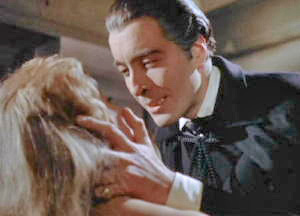 |
| Oops..wrong Count! This is Dracula! |
 |
| You can see how I was confused.. there's quite the resemblance between the 2 Counts |
Wednesday, March 9, 2011
Why the Liberals are really pushing for a Spring election
The Canadian Liberal party's polling numbers have plummeted like prices for Christmas tree decorations on Boxing Day. If the recent polls are correct, then the Liberals and New Democratic Party will both lose seats were an election to be held soon and Prime Minister Stephen Harper's Conservatives may even get its elusive majority government.
The Liberal party's swing to the left may have acquired them some votes from voters inclined to the NDP and Green parties, but that same move has driven even more centrist Liberal voters into the arms of the Tories.
Despite their best efforts to hammer the Conservatives with scandals like that of Bev Oda's mysterious signature on the CIDA document denying funding to the anti-Israel group, KAIROS and the 5-year old "In and Out" election financing scandal, neither has had any resonance with the public. In fact, Harper's numbers have ascended in the midst of the campaigns to discredit his party.
This phenomenon can be explained by the one Conservative asset that the opposition parties cannot surmount; incompetent, uninspiring leadership from the Liberals, Greens and NDP.
Liberal Foreign Affairs critic and Michael Ignatieff's former (and present?) main rival for party leadership, Bob Rae, seems to be pushing full on for a spring election.
In what sounds like an election push, Rae recently wrote on facebook, "The issue is not Kenney or Oda or Ouimet or Elections Canada - it is now democracy itself, and the simple idea that the rule of law means limits and respect that apply to everyone, even the Harperites. This is the issue of our day and our time - nothing more, nothing less."

Do the Liberals seriously think that if they shout that loudly enough, they can overcome the lack of confidence Canadians have shown in Liberal leadership as exhibited by Ignatieff for the last 3 years and Stephane Dion in the 2 years prior to that?
The answer is, "probably not."
What seems likely at this point is that senior Liberals like Rae realize that as long as Ignatieff helms the party, they're going to be shut out of power. So the sooner they replace him, the sooner they have a shot at winning. For a party like the Liberals, for whom power is frequently the overriding principle, nothing spurs a leadership change faster than an election loss.
Senior Liberals wanting to rebuild the brand have figured out that the fastest way to accomplish that is getting the inevitable Ignatieff loss out of the way quickly, so they can pursue their own ambitions now rather than later.
The Liberal party's swing to the left may have acquired them some votes from voters inclined to the NDP and Green parties, but that same move has driven even more centrist Liberal voters into the arms of the Tories.
Despite their best efforts to hammer the Conservatives with scandals like that of Bev Oda's mysterious signature on the CIDA document denying funding to the anti-Israel group, KAIROS and the 5-year old "In and Out" election financing scandal, neither has had any resonance with the public. In fact, Harper's numbers have ascended in the midst of the campaigns to discredit his party.
This phenomenon can be explained by the one Conservative asset that the opposition parties cannot surmount; incompetent, uninspiring leadership from the Liberals, Greens and NDP.
Liberal Foreign Affairs critic and Michael Ignatieff's former (and present?) main rival for party leadership, Bob Rae, seems to be pushing full on for a spring election.
In what sounds like an election push, Rae recently wrote on facebook, "The issue is not Kenney or Oda or Ouimet or Elections Canada - it is now democracy itself, and the simple idea that the rule of law means limits and respect that apply to everyone, even the Harperites. This is the issue of our day and our time - nothing more, nothing less."

Do the Liberals seriously think that if they shout that loudly enough, they can overcome the lack of confidence Canadians have shown in Liberal leadership as exhibited by Ignatieff for the last 3 years and Stephane Dion in the 2 years prior to that?
The answer is, "probably not."
What seems likely at this point is that senior Liberals like Rae realize that as long as Ignatieff helms the party, they're going to be shut out of power. So the sooner they replace him, the sooner they have a shot at winning. For a party like the Liberals, for whom power is frequently the overriding principle, nothing spurs a leadership change faster than an election loss.
Senior Liberals wanting to rebuild the brand have figured out that the fastest way to accomplish that is getting the inevitable Ignatieff loss out of the way quickly, so they can pursue their own ambitions now rather than later.
Friday, March 4, 2011
Blue Whigs are moving to the Tories faster than the far left is moving to Ignatieff
A very interesting column from John Ibbitson in the Globe and Mail speculates that Stephen Harper's increasing support is coming from fiscally responsible Liberal voters at a greater rate than Ignatieff is siphoning votes from the NDP and Greens by moving his party to the left.
Ibbitson uses the term "Manley Liberals" for right-leaning Liberal voters, but I like "Blue Whigs" better.
Ibbitson uses the term "Manley Liberals" for right-leaning Liberal voters, but I like "Blue Whigs" better.
Conflicting polls mask an emerging truth: As all parties contemplate a possible spring election, the numbers show the Liberal Party under Michael Ignatieff successfully draining support from the New Democratic and Green parties, just as it hoped to do.
But it is paying a price, as John Manley Liberals defect to the Conservatives, increasing the chances that a spring election would return Stephen Harper as prime minister with a strengthened minority, or possibly even a majority, government.Full article at the Globe and Mail
Monday, February 21, 2011
Screwing Up Again: Liberals hitch wagon to KAIROS
The most notable achievement of the Conservative Party under Stephen Harper has been to render the federal Liberals ineffectual as an opposition party. Not that they didn't have help from the Bloc Quebecois, whose self-interested positions often forced the Liberals to vote with the Tories. And no one gave Harper more help than the Liberals themselves. That assistance was provided, for the most part, by selecting uninspiring, uncharismatic party leaders, but only slightly behind that is a series of political blunders by which they attempt to over-reach and end up with egg on their face.
They must either think Canadians are stupid, or as a party the Liberals must be as cynical as the NDP if they think they can keep pushing the "Harper is undemocratic" line. How many times do the Liberals need to get the message from opinion polls and their own fear of facing the electorate that Canadians can see through that unconvincing sales pitch?
Aside from the obvious fact that the Conservatives were democratically elected and haven't done away with a single democratic right, they have a minority government! The other parties can bring in a non-confidence motion any time they like and call a new election. Hardly the stuff dictatorships are made of.
Last year, when Harper prorogued Parliament, the Liberals thought they were on to something. An anti-prorogue group on facebook had signed up tens of thousands of members and there were even demonstrations across Canada. The Liberals thought they had Harper on the ropes.
It turned out Harper was playing rope-a-dope with them.
Anyone familiar with social media knows facebook groups are trends that have virtually no meaning in the real world. A group that was formed to convince a woman to name her baby "Megatron" got more than seven times the number of the anti-prorogue group. The demonstrations attracted a few thousand people in various cities across Canada. Which would almost be impressive until you consider that the numbers at the demonstrations were even less than the combined memberships of the Liberal party and NDP. Which means the federal opposition parties couldn't even manage to get all their own members out in the street to protest against Harper, let alone get the rest of the country worked up.
By the time it was over, Harper and the Conservatives' popularity had actually gone up further in the polls.
Now the Liberals think they smell blood about the Beverly Oda signature issue.
And as usual, the Liberals are going to screw it up.
Because rather than just making it about whether Oda had mislead a parliamentary committee, the Liberals have also decided to Heap praise on KAIROS, the anti-Israel organization that was working against Canadian business interests abroad whose denial of federal funding spurred the controversy.
Just as with their failed anti-prorogue efforts, Harper's popularity will not be harmed by the transparent attempt to capitalize on the issue.
So instead of making this about a politician's integrity, the Liberals have stupidly decided to hitch their wagon to an organization working against government policy. Whether or not people support those policies, no reasonable person would dispute Harper's statement about the responsibilities of a democratic government:
Rabble.ca is one of the most virulently anti-Israel media sites in the Canada. Its writers routinely slander Israel as an "apartheid" country, while calling for its sanctions. It is the media supporter of an effort to support terror-organization Hamas with an effort to attempt to break the Israeli blockade of Gaza. It supports 9-11 conspiracy loons and Rabble's user forums have called for violent socialist revolution in Canada.
Those are the people KAIROS turned to first for support.
The Liberals, by throwing their lot in with the most fanatical elements of the fringes of the Canadian political spectrum, have yet again shown their main interest is not principled leadership. It's a familiar face of the worst aspect of Liberal Party of Canada politics.
The Liberals are pushing a petition to get Beverly Oda to resign. Based on the petition's numbers, they haven't even convinced all the members of the Liberal Party to sign it, let alone the overwhelming majority of Canadians who have shown complete indifference to this issue.
Here is a video the Liberals produced. It's an embarrassment to them. In the background are chants of "shame" that sound like they could have been made by the cultists of Queers Against Israel Apartheid during a meeting in one of their bunkers.
The Liberals desperately need a better class of political advisers and consultants. They way they're going, they are steering Canada towards a Conservative majority in the next election.
UPDATE: A good Macleans piece that points out how the Liberals are using the KAIROS issue as a red herring that even they don't believe.
They must either think Canadians are stupid, or as a party the Liberals must be as cynical as the NDP if they think they can keep pushing the "Harper is undemocratic" line. How many times do the Liberals need to get the message from opinion polls and their own fear of facing the electorate that Canadians can see through that unconvincing sales pitch?
Aside from the obvious fact that the Conservatives were democratically elected and haven't done away with a single democratic right, they have a minority government! The other parties can bring in a non-confidence motion any time they like and call a new election. Hardly the stuff dictatorships are made of.
Last year, when Harper prorogued Parliament, the Liberals thought they were on to something. An anti-prorogue group on facebook had signed up tens of thousands of members and there were even demonstrations across Canada. The Liberals thought they had Harper on the ropes.
It turned out Harper was playing rope-a-dope with them.
Anyone familiar with social media knows facebook groups are trends that have virtually no meaning in the real world. A group that was formed to convince a woman to name her baby "Megatron" got more than seven times the number of the anti-prorogue group. The demonstrations attracted a few thousand people in various cities across Canada. Which would almost be impressive until you consider that the numbers at the demonstrations were even less than the combined memberships of the Liberal party and NDP. Which means the federal opposition parties couldn't even manage to get all their own members out in the street to protest against Harper, let alone get the rest of the country worked up.
By the time it was over, Harper and the Conservatives' popularity had actually gone up further in the polls.
Now the Liberals think they smell blood about the Beverly Oda signature issue.
And as usual, the Liberals are going to screw it up.
Because rather than just making it about whether Oda had mislead a parliamentary committee, the Liberals have also decided to Heap praise on KAIROS, the anti-Israel organization that was working against Canadian business interests abroad whose denial of federal funding spurred the controversy.
Just as with their failed anti-prorogue efforts, Harper's popularity will not be harmed by the transparent attempt to capitalize on the issue.
So instead of making this about a politician's integrity, the Liberals have stupidly decided to hitch their wagon to an organization working against government policy. Whether or not people support those policies, no reasonable person would dispute Harper's statement about the responsibilities of a democratic government:
“We were elected to ensure that when we give out taxpayers’ money that that taxpayers’ money is used for purposes that will further the objectives of policy.”Some of KAIROS' supporters have claimed that allegations about the organization's anti-Israel stance is exaggerated. KAIROS hasn't helped them by choosing one of their first opportunities to exploit the Oda controversy by publishing a retort to the government on rabble.ca.
Rabble.ca is one of the most virulently anti-Israel media sites in the Canada. Its writers routinely slander Israel as an "apartheid" country, while calling for its sanctions. It is the media supporter of an effort to support terror-organization Hamas with an effort to attempt to break the Israeli blockade of Gaza. It supports 9-11 conspiracy loons and Rabble's user forums have called for violent socialist revolution in Canada.
Those are the people KAIROS turned to first for support.
The Liberals, by throwing their lot in with the most fanatical elements of the fringes of the Canadian political spectrum, have yet again shown their main interest is not principled leadership. It's a familiar face of the worst aspect of Liberal Party of Canada politics.
The Liberals are pushing a petition to get Beverly Oda to resign. Based on the petition's numbers, they haven't even convinced all the members of the Liberal Party to sign it, let alone the overwhelming majority of Canadians who have shown complete indifference to this issue.
Here is a video the Liberals produced. It's an embarrassment to them. In the background are chants of "shame" that sound like they could have been made by the cultists of Queers Against Israel Apartheid during a meeting in one of their bunkers.
The Liberals desperately need a better class of political advisers and consultants. They way they're going, they are steering Canada towards a Conservative majority in the next election.
UPDATE: A good Macleans piece that points out how the Liberals are using the KAIROS issue as a red herring that even they don't believe.
Tuesday, November 16, 2010
An addendum to yesterday's post on academic Jew hate
Yesterday's post regarding OISE has got a fair bit of attention due to its being picked up by The National Post, so there are some points I'd like to add.
Regarding academic freedom. It may seem paradoxical to follow up a post that was highly critical of the premises of two theses based on their abstracts with a post insisting on the right to academic freedom, but I'm going to do that nonetheless.
Because my concern was not based on a desire to censor Ms Peto's or Mr Epstein's positions or their right to hold or write them. Let me make this explicitly clear. They have every right to do so, just as those who disagree have the right to criticize them.
But those premises, as far as I inferred from the abstracts, suggested that Jews bore some special moral guilt on the basis of ethnicity, or responsibility on the basis of pigmentation and there was an organized community effort to mislead and manipulate and those are suggestions that I feel merit the most extreme criticism.
They have the right to their opinions.
But it seems to me that the natural extension of their ideas is that a particular race can be either inferior or superior, that some races merit special privilege or punishment. These are ideas that most of us in liberal democracies have hoped were abandoned a long time ago. If these ideas can be applied to Jews, they can be applied, in some form, to anyone. And one doesn't have to look too far in history to see where that kind of thinking leads.
But again, my concern is not about the ideas of two or three individuals whose ideas, I don't think, merit great consideration. My concern is what appears to me to be a pervasive attitude at OISE and to some extent at the University of Toronto. It is an outgrowth of an academic anti-Zionism that is at its substance exactly what the Prime Minister of Canada warned against at the international conference on anti-Semistism last week.
It is the way that this form of racism has insinuated itself into some academic institutions that needs to be examined and exposed.
When fanatical anti-Zionism extends to Jews in general and the notion of collective Jewish guilt, it is something that should be alarming to any thinking person.
OISE has played host to conferences whose purpose was the boycotting and sanctioning of Israel, part of the campaign to assign the false label of "apartheid" and, in effect, the deligitimization of that country.
The Prime Minister, the leader of the Opposition, federal ministers and civic leaders of all stripes have spoken out against that in the most forceful terms and have suggested it is a new form of anti-Semitism.
Is it?
Zionism is the belief that Jews should have a homeland in Israel. If the anti-Zionists were against the idea of any people having a national homeland with a religious component, and put equal energies into the condemnation of all, then their standing would have more credibility. But I am yet to find an "anti-Zionist" call for the end of the Islamic republics of Iran and Pakistan and the Islamic rule in other countries where religion and state are not distinct. The call for an end to such systems throughout the world is in no way significant among the anti-Zionist movement. The focus in those cases on one people and one religion appears to me to be highly suggestive of bigotry.
It is this and the anti-Israel politicization of academic programs that I believe requires serious examination.
UPDATE: let me reiterate this to anyone who thinks this post is a "softening" of my position. It isn't. The theses in question are repugnant in their respective suggestions that Jews are conspiring to exploit Holocaust guilt for ulterior motives and that anyone bears some sort of "accountability through genealogy."
But what I also want to make abundantly clear is that these theses are being used as examples of a greater problem. Presumably they were approved by a thesis committee at OISE. It is the institutional politicization and bias that is concerning, not individuals of questionable significance. That is always what the issue has been, for those who missed the point.
Regarding academic freedom. It may seem paradoxical to follow up a post that was highly critical of the premises of two theses based on their abstracts with a post insisting on the right to academic freedom, but I'm going to do that nonetheless.
Because my concern was not based on a desire to censor Ms Peto's or Mr Epstein's positions or their right to hold or write them. Let me make this explicitly clear. They have every right to do so, just as those who disagree have the right to criticize them.
But those premises, as far as I inferred from the abstracts, suggested that Jews bore some special moral guilt on the basis of ethnicity, or responsibility on the basis of pigmentation and there was an organized community effort to mislead and manipulate and those are suggestions that I feel merit the most extreme criticism.
They have the right to their opinions.
But it seems to me that the natural extension of their ideas is that a particular race can be either inferior or superior, that some races merit special privilege or punishment. These are ideas that most of us in liberal democracies have hoped were abandoned a long time ago. If these ideas can be applied to Jews, they can be applied, in some form, to anyone. And one doesn't have to look too far in history to see where that kind of thinking leads.
But again, my concern is not about the ideas of two or three individuals whose ideas, I don't think, merit great consideration. My concern is what appears to me to be a pervasive attitude at OISE and to some extent at the University of Toronto. It is an outgrowth of an academic anti-Zionism that is at its substance exactly what the Prime Minister of Canada warned against at the international conference on anti-Semistism last week.
It is the way that this form of racism has insinuated itself into some academic institutions that needs to be examined and exposed.
When fanatical anti-Zionism extends to Jews in general and the notion of collective Jewish guilt, it is something that should be alarming to any thinking person.
OISE has played host to conferences whose purpose was the boycotting and sanctioning of Israel, part of the campaign to assign the false label of "apartheid" and, in effect, the deligitimization of that country.
The Prime Minister, the leader of the Opposition, federal ministers and civic leaders of all stripes have spoken out against that in the most forceful terms and have suggested it is a new form of anti-Semitism.
Is it?
Zionism is the belief that Jews should have a homeland in Israel. If the anti-Zionists were against the idea of any people having a national homeland with a religious component, and put equal energies into the condemnation of all, then their standing would have more credibility. But I am yet to find an "anti-Zionist" call for the end of the Islamic republics of Iran and Pakistan and the Islamic rule in other countries where religion and state are not distinct. The call for an end to such systems throughout the world is in no way significant among the anti-Zionist movement. The focus in those cases on one people and one religion appears to me to be highly suggestive of bigotry.
It is this and the anti-Israel politicization of academic programs that I believe requires serious examination.
UPDATE: let me reiterate this to anyone who thinks this post is a "softening" of my position. It isn't. The theses in question are repugnant in their respective suggestions that Jews are conspiring to exploit Holocaust guilt for ulterior motives and that anyone bears some sort of "accountability through genealogy."
But what I also want to make abundantly clear is that these theses are being used as examples of a greater problem. Presumably they were approved by a thesis committee at OISE. It is the institutional politicization and bias that is concerning, not individuals of questionable significance. That is always what the issue has been, for those who missed the point.
Tuesday, October 12, 2010
Canadian Union of Postal Workers to sponsor anti-Israel conference featuring speaker found guilty of anti-Semitic hate speech
The Canadian Union of Postal Workers seems primarily interested in two things.
Ensuring the rights and good working conditions of Canadian postal workers and cooperating on providing efficient postal service to Canadians aren't either of them.
Fighting "Globalization" and inserting themselves into "liberation struggles" that have a remarkable tie-in to the interests of the Communist Party and the International Socialist movements seem to be their priorities.
CUPW, as readers of this blog will know, are co-sponsors of "The Sea Hitler" (the boat some Canadian Islamist and Communist groups want to send to interfere with Israel's Gaza blockade) and have allied themselves with some of the most virulent anti-Israel bigots in Canada.
But now the radical leadership of CUPW may have crossed the line into sponsoring outright anti-Semitism.
CUPW is co-sponsor of a conference set to occur in Montreal for October 22-24 called "Montreal BDS Conference". For those unfmiliar, BDS stands for "Boycott, Divestment, and Sanctions" and these actions would be directed at Israel. The BDS movement is part of an ongoing campaign by Islamic and leftist radicals to try to deligitimize the middle east's only genuine democracy.
Canadian Liberal Party and parliamentary Opposition leader Michael Ignatieff referred to this phenomenon, when discussing the odious effort called "Israel Apartheid Week" which is closely tied to the is "BDS" movement as a "global campaign of proclamations, boycotts and calls for divestment, which originated in the World Conference Against Racism, Racial Discrimination, Xenophobia and Related Intolerance held in Durban, South Africa, in 2001. Like “Durban I,” IAW singles out one state, its citizens and its supporters for condemnation and exclusion, and it targets institutions and individuals because of what and who they are — Israeli and Jewish. [It] goes beyond reasonable criticism into demonization."
One of the speakers that CUPW is proud to present at the BDS conference is Bongani Masuku, South African labor union COSATU International Affairs Secretary, who was found guilty by the South African government's Human Rights Commission of anti-Semitic hate speech.
For information on Masuku, we have this from The Canada-Israel Committee's website:
By sponsoring Masuku, an advocate of "violent liberation struggle" (read: "terrorism') CUPW is providing yet another example that bears out the truth of Canadian Immigration Minister Jason Kenney's assessment:, "so much of the criticism Israel faces is motivated by a dangerous form of anti-Semitism that tries to hide behind anti-Zionism and is represented by a coalition of the far left in the West with extreme currents of jihadi Islam that seek the destruction of the Jewish nation. They seem to believe that the Jewish people are the only people in the world that don't have a right to a homeland."
The vocal anti-Semite Masuku is the sort of individual that Denis Lemelin, President, Canadian Union of Postal Workers, as a speaker and sponsor of this conference, is willing to be associated with. CUPW leadership and their descent into anti-Semitism is a disgrace and an embarrassment to its membership. They should be held responsible and called out for their bigotry.
h/t Blazing Cat Fur
Ensuring the rights and good working conditions of Canadian postal workers and cooperating on providing efficient postal service to Canadians aren't either of them.
Fighting "Globalization" and inserting themselves into "liberation struggles" that have a remarkable tie-in to the interests of the Communist Party and the International Socialist movements seem to be their priorities.
CUPW, as readers of this blog will know, are co-sponsors of "The Sea Hitler" (the boat some Canadian Islamist and Communist groups want to send to interfere with Israel's Gaza blockade) and have allied themselves with some of the most virulent anti-Israel bigots in Canada.
But now the radical leadership of CUPW may have crossed the line into sponsoring outright anti-Semitism.
CUPW is co-sponsor of a conference set to occur in Montreal for October 22-24 called "Montreal BDS Conference". For those unfmiliar, BDS stands for "Boycott, Divestment, and Sanctions" and these actions would be directed at Israel. The BDS movement is part of an ongoing campaign by Islamic and leftist radicals to try to deligitimize the middle east's only genuine democracy.
Canadian Liberal Party and parliamentary Opposition leader Michael Ignatieff referred to this phenomenon, when discussing the odious effort called "Israel Apartheid Week" which is closely tied to the is "BDS" movement as a "global campaign of proclamations, boycotts and calls for divestment, which originated in the World Conference Against Racism, Racial Discrimination, Xenophobia and Related Intolerance held in Durban, South Africa, in 2001. Like “Durban I,” IAW singles out one state, its citizens and its supporters for condemnation and exclusion, and it targets institutions and individuals because of what and who they are — Israeli and Jewish. [It] goes beyond reasonable criticism into demonization."
One of the speakers that CUPW is proud to present at the BDS conference is Bongani Masuku, South African labor union COSATU International Affairs Secretary, who was found guilty by the South African government's Human Rights Commission of anti-Semitic hate speech.
For information on Masuku, we have this from The Canada-Israel Committee's website:
What precisely did Masuku say that got him into so much trouble? Here are a few examples:
"We want to convey a message to the Jews in South Africa that our 1.9-million workers who are affiliated to COSATU are fully behind the people of Palestine… Any business owned by Israel supporters will be a target of workers in South Africa” [Source: Address at COSATU-Palestinian Solidarity Committee rally in Raedene, 6 February 2009].
"COSATU is with you, we will do everything to make sure that whether it’s at Wits University, whether its at Orange Grove, anyone who does not support equality and dignity, who does not support the rights of other people must face the consequences even if it means that we will do something that may necessarily cause what is regarded as harm …" [Source: Address at public meeting on Wits University Campus, 5 March 2009]
The implications of Masuku’s statements were as clear as day, at least according to the South African Human Rights Commission:
In its findings, the SAHRC found that Mr. Masuku “surely intended to incite violence and hatred that was already potentially imminent amongst these two groups.”. The Commission also noted that other comments by Mr. Masuku were “intimidating and threatening” and noted that other comments made by Mr. Masuku could only mean that “unless South Africans agree with his views they should be forced to leave South Africa.”
In sum the SAHRC stated that “the comments and statements are of an extreme nature that advocate and imply that the Jewish and Israeli community are to be despised, scorned and ridiculed and thus subjecting them to ill-treatment on the basis of their religious affiliation. A prima facie case of hate speech is clearly established.”
By sponsoring Masuku, an advocate of "violent liberation struggle" (read: "terrorism') CUPW is providing yet another example that bears out the truth of Canadian Immigration Minister Jason Kenney's assessment:, "so much of the criticism Israel faces is motivated by a dangerous form of anti-Semitism that tries to hide behind anti-Zionism and is represented by a coalition of the far left in the West with extreme currents of jihadi Islam that seek the destruction of the Jewish nation. They seem to believe that the Jewish people are the only people in the world that don't have a right to a homeland."
The vocal anti-Semite Masuku is the sort of individual that Denis Lemelin, President, Canadian Union of Postal Workers, as a speaker and sponsor of this conference, is willing to be associated with. CUPW leadership and their descent into anti-Semitism is a disgrace and an embarrassment to its membership. They should be held responsible and called out for their bigotry.
h/t Blazing Cat Fur
Thursday, October 7, 2010
Marc Garneau: The Future of the Canadian Liberal Party?
Marc Garneau and his team do not want this story published.
I know that because his media representative explicitly told me so.
Eye on a Crazy Planet recently ran a poll asking readers who they would like to see as the leader of the Canadian Liberal Party. The poll was unscientific and the response was much lower than the previous poll asking about whether the US should bomb Iran (a resounding 'yes' from a big majority of you on that one).
 This poll very intentionally listed only 3 candidates by name. That was because there is a dearth of potential leaders who excite the public among the group who have vied for the top position in the Liberal party since Stephane Dion's unsuccessful term which began in 2006.
Two in the poll were the ones most frequently associated with the current Liberal leadership, Michael Ignatieff and Bob Rae, and a third, Quebce MP for the riding of Westmount--Ville-Marie, Quebec, Marc Garneau.
While none polled well, Garneau polled better than either Ignatieff and Rae. And looking to the future, the Liberals need to consider looking past the leadership of Michael Ignatieff.
Ignatieff is an intelligent, honest leader with sound policies. He is also uncharismatic and has failed to excite the Canadian electorate.
So who does the Liberal Party have? None of the leadership contenders from '06 show any real promise. The two strongest of that crop, among those not already mentioned, would be Gerrard Kennedy and Ken Dryden. Kennedy's policy positions have always made him a much better fit for the NDP than the Liberals, but his ambition took him to the party where he felt he could achieve more power. He would be a disastrous Prime Minister.
Ken Dryden's personality as a politician is a lot like that of...well.. a goalie.He is exceptionally bright, but as a speaker is dull and uninspiring. As in his previous life, he's great at preventing the other side from scoring goals against him. But winning a game requires more than just not losing. It requires someone who can score and Ken has never been that guy.
There are some who have mentioned Justin Trudeau. Trudeau the younger has none of his father's adroit political skills. He's basically a name and a good haircut.
Marc Garneau, the Liberals' Critic for Industry, Science and Technology, is someone who may represent the best hope the Liberals have for regaining the national leadership in the foreseeable future.
He has the obvious necessary criteria of intellect, speaking ability and thoughtful policy positions.
But he has a lot more. All the successful Liberal Prime Ministers since Confederation, with the sole exception of William Lyon Mackenzie King, were Quebecois, like Garneau. For the Liberals to be able to get an effective majority, they need to be able to win over a large part of the Quebec electorate and Garneau, who is the chair of the Quebec Liberal Caucus, can do that.
But he also has to be able to win over much of the rest of Canada and as Canada's first astronaut, Garneau is and was a national hero before his entry into politics. He is a popular figure across the country who already has had two schools in Ontario named after him. The Liberals under Garneau would be able to win seats in every province, and could easily take their traditional majorities in both Quebec and Ontario. Something that no Liberal has done since prior to the 1993 election.
It should be clear that Garneau's staff has emphatically denied that they have ambitions or are thinking this way right now. They say they are solely focussed on being part of Michael Ignatieff's team and that they fully support his vision and the way he has put together a team of great parliamentarians who will be able to go out and win the next election.
They also say the think Mr. Ignatieff is doing a "great" job as Liberal Party Leader.
Okay. But for the sake of argument, let's assume the polls are right and the rest of Canada doesn't agree with that assessment of Mr. Ignatieff.
If that's the case, then while Marc Garneau may not be thinking of positioning himself for the Liberal leadership, he should be.
I know that because his media representative explicitly told me so.
Eye on a Crazy Planet recently ran a poll asking readers who they would like to see as the leader of the Canadian Liberal Party. The poll was unscientific and the response was much lower than the previous poll asking about whether the US should bomb Iran (a resounding 'yes' from a big majority of you on that one).
This poll very intentionally listed only 3 candidates by name. That was because there is a dearth of potential leaders who excite the public among the group who have vied for the top position in the Liberal party since Stephane Dion's unsuccessful term which began in 2006. Two in the poll were the ones most frequently associated with the current Liberal leadership, Michael Ignatieff and Bob Rae, and a third, Quebce MP for the riding of Westmount--Ville-Marie, Quebec, Marc Garneau.
While none polled well, Garneau polled better than either Ignatieff and Rae. And looking to the future, the Liberals need to consider looking past the leadership of Michael Ignatieff.
Ignatieff is an intelligent, honest leader with sound policies. He is also uncharismatic and has failed to excite the Canadian electorate.
Bob Rae is a nice guy. He's a smart guy.His policies are thoughtful and reasonable. Enough time has transpired since his unsuccessful term as Premier of Ontario that a lot of that baggage has been shed, along with his old NDP membership card. But in my assessment, his time to lead the Liberal Party of Canada has passed. That time should have been in 2006 when the Liberals made the incomprehensible choice of Dion. The reactions to Rae nation-wide suggest that he could not win a national election.
So who does the Liberal Party have? None of the leadership contenders from '06 show any real promise. The two strongest of that crop, among those not already mentioned, would be Gerrard Kennedy and Ken Dryden. Kennedy's policy positions have always made him a much better fit for the NDP than the Liberals, but his ambition took him to the party where he felt he could achieve more power. He would be a disastrous Prime Minister.
Ken Dryden's personality as a politician is a lot like that of...well.. a goalie.He is exceptionally bright, but as a speaker is dull and uninspiring. As in his previous life, he's great at preventing the other side from scoring goals against him. But winning a game requires more than just not losing. It requires someone who can score and Ken has never been that guy.
There are some who have mentioned Justin Trudeau. Trudeau the younger has none of his father's adroit political skills. He's basically a name and a good haircut.
Marc Garneau, the Liberals' Critic for Industry, Science and Technology, is someone who may represent the best hope the Liberals have for regaining the national leadership in the foreseeable future.
He has the obvious necessary criteria of intellect, speaking ability and thoughtful policy positions.
But he has a lot more. All the successful Liberal Prime Ministers since Confederation, with the sole exception of William Lyon Mackenzie King, were Quebecois, like Garneau. For the Liberals to be able to get an effective majority, they need to be able to win over a large part of the Quebec electorate and Garneau, who is the chair of the Quebec Liberal Caucus, can do that.
But he also has to be able to win over much of the rest of Canada and as Canada's first astronaut, Garneau is and was a national hero before his entry into politics. He is a popular figure across the country who already has had two schools in Ontario named after him. The Liberals under Garneau would be able to win seats in every province, and could easily take their traditional majorities in both Quebec and Ontario. Something that no Liberal has done since prior to the 1993 election.
It should be clear that Garneau's staff has emphatically denied that they have ambitions or are thinking this way right now. They say they are solely focussed on being part of Michael Ignatieff's team and that they fully support his vision and the way he has put together a team of great parliamentarians who will be able to go out and win the next election.
They also say the think Mr. Ignatieff is doing a "great" job as Liberal Party Leader.
Okay. But for the sake of argument, let's assume the polls are right and the rest of Canada doesn't agree with that assessment of Mr. Ignatieff.
If that's the case, then while Marc Garneau may not be thinking of positioning himself for the Liberal leadership, he should be.
Subscribe to:
Posts (Atom)